
 English
 Español

Transporting the Irreplaceable: What It Takes to Move Human Tissue Safely
Transporting the Irreplaceable: What It Takes to Move Human Tissue Safely
When most people think about transporting human tissue, they probably picture an organ being rushed to a hospital for a life-saving transplant. It’s the kind of scenario we’ve all seen on television: a race against the clock, with someone’s life hanging in the balance. But there’s another side to human tissue transportation that receives far less attention.
Every day, anatomical specimens travel between tissue banks, universities, hospitals, and medical training facilities. These shipments support everything from surgical education and physician training to medical research and the development of new procedures and technologies. They may not make the evening news, but their safe, timely delivery is essential to the work being done at their destinations.
At Freight Services Inc. (FSI), we work extensively with tissue banks and organizations throughout the medical community. We’ve seen firsthand how much planning, coordination, and specialized expertise goes into moving these materials safely. And we’ve learned that when you’re transporting something that can’t simply be reordered or replaced, the logistics matter every bit as much as the destination.
Why Human Tissue Transportation Is Different
Unlike conventional freight, anatomical specimens come with unique handling, documentation, and transportation requirements. Depending on the nature of the shipment, there may be specific temperature controls, packaging protocols, labeling requirements, and delivery deadlines to consider.
There’s also the matter of respect. Many of these specimens come from individuals who chose to donate their bodies or tissues to advance medicine. That generosity makes responsible handling especially important.
For tissue banks, the challenge is finding a logistics partner that understands these responsibilities. That partner must also manage costs, carrier schedules, shipment visibility and the disruptions that occur along the way. That’s where specialized logistics experience makes a difference.
Protecting Shipment Integrity from Pickup to Delivery
One of the greatest risks to anatomical specimens occurs while they’re in transit. Every transfer between carriers, every unnecessary stop, and every unexpected delay introduces another opportunity for something to go wrong. And unlike many commercial products, an anatomical specimen may not be replaceable if its integrity is compromised. That’s why effective human tissue transportation begins long before a shipment leaves the facility.
At FSI, our Specialized Logistics team evaluates each shipment’s requirements to identify transportation options that balance speed, reliability, cost, and appropriate handling. In some cases, that means securing the first available flight to get a specimen to its destination as quickly as possible. In others, it means selecting a route that minimizes transfers or coordinating pickup and delivery around a facility’s receiving schedule.
The goal isn’t necessarily to choose the fastest or least expensive option every time. It’s to identify the transportation solution that best protects the shipment while meeting the client’s operational needs. For tissue banks managing multiple shipments, these decisions can have a significant impact on both quality assurance and transportation costs.
Experience Behind Every Shipment

Leading FSI’s Specialized Logistics division is Antoinette (Tonie) Martinez, Vice President of Specialized Logistics. Tonie has more than 20 years of logistics experience, including 15 years at FSI. Today, Tonie oversees a team that moves anatomical specimens and medical equipment to bioskills training facilities around the world.
Her extensive operational experience, MBA, and certification in DOT Hazmat Regulations bring valuable expertise to a field where precision, consistency, and attention to detail are essential. For Tonie, the work is also about the people it supports. She and her team take pride in helping the medical community advance education, training, and research.
Supporting Tissue Banks and AATB Standards
Tissue banks operate in an environment where consistency, documentation, and quality control are essential. The American Association of Tissue Banks (AATB) sets standards for tissue banking and non-transplant anatomical donation. These include requirements for handling, storage, packaging and distribution of donated materials.
While tissue banks are responsible for determining and maintaining their applicable compliance requirements, their transportation partners play an important supporting role. FSI’s approach to specialized medical logistics emphasizes disciplined procedures, consistent execution, and a commitment to zero defects. Rather than treating every shipment as an isolated transaction, we focus on developing repeatable processes that help clients maintain their quality standards and reduce avoidable transportation risks.
That consistency is key. A tissue bank coordinating shipments across facilities, or running recurring training programs, needs to know what to expect from its logistics provider. Reliable service shouldn’t depend on who happens to be managing a particular shipment that day.
Different Destinations, Different Logistics Requirements
There’s no one-size-fits-all approach to anatomical specimen shipping. Consider the difference between sending specimens to a university anatomy department and coordinating deliveries for a bioskills training event.
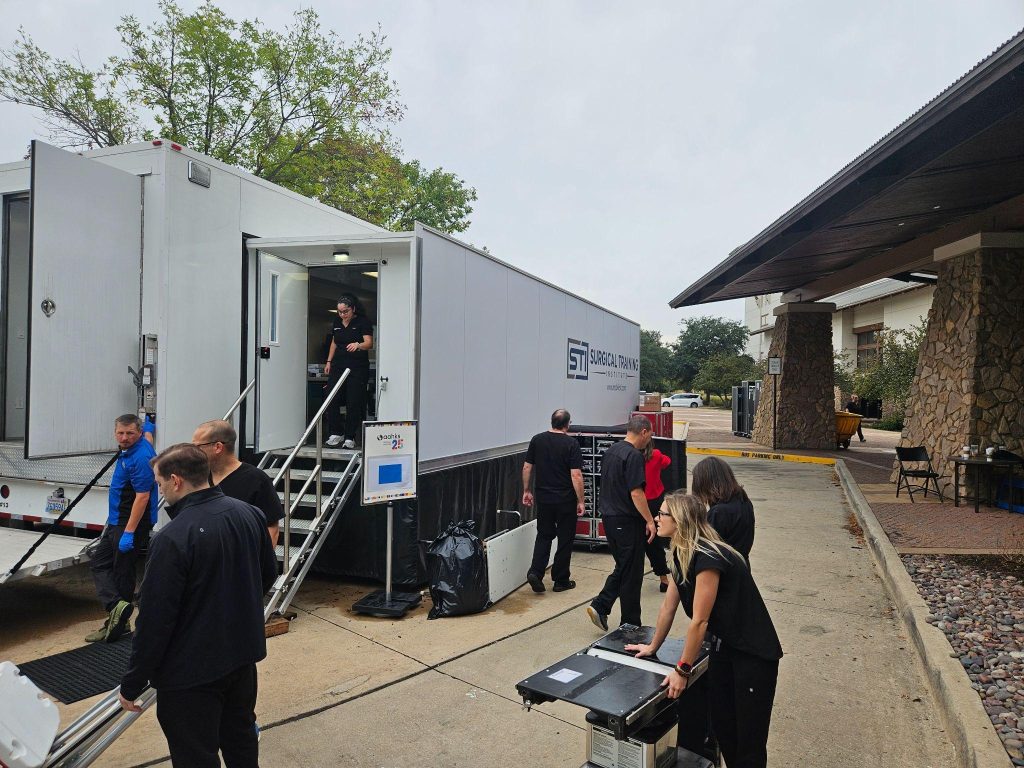
A university may have established receiving procedures and recurring transportation needs. A bioskills training facility, on the other hand, may be preparing for a specific course or surgical workshop. That event has a fixed schedule, multiple participants and little room for late arrivals. Hospitals, physician offices, and research facilities may have entirely different requirements. The packaging, labeling, documentation, delivery coordination, and transportation methods must be appropriate for the specimens involved and their intended use. And in some situations, the logistics extend beyond the initial delivery.
Medical training events, for example, may need anatomical specimens and specialized medical equipment coordinated together. Afterward, the equipment comes back, and the specimens are returned or handled according to the client’s protocols. FSI’s Specialized Logistics division works with clients to coordinate these moving parts, helping reduce the administrative burden on teams whose primary responsibilities lie elsewhere.
Visibility Matters When Every Hour Counts
For a tissue bank, sending a shipment out the door is only part of the job. Knowing where it is, whether it’s progressing as expected, and when it will arrive is equally important. A delayed flight or missed connection can affect receiving schedules, training sessions, and the availability of specimens for their intended use. That’s why shipment visibility is a critical part of specialized medical logistics.
FSI offers GPS tracking options and transportation notifications covering important milestones, including departures, arrivals, delays, and cancellations. These tools help clients stay informed and make decisions when transportation plans change. But technology alone isn’t enough. When something unexpected happens, clients also need an experienced logistics team that can evaluate alternatives, communicate clearly, and work toward a practical solution. For time-sensitive shipments, that combination of visibility and responsive human support can make all the difference.
Making Tissue Bank Logistics Easier to Manage
The complexity of human tissue transportation isn’t limited to what happens on the road or in the air. There’s also the administrative work involved in planning shipments, calculating transportation costs, preparing quotes, and coordinating logistics across multiple destinations. For tissue banks handling a high volume of specimens, these tasks can consume considerable time. To help simplify that process, FSI recently introduced a new online quoting tool designed specifically for tissue bank logistics.
Available at quote.freightservices.net, the tool replaces manual spreadsheet-based calculations with automated, specimen-based quoting. Instead of relying on time-consuming manual calculations, clients can use a more streamlined process to determine transportation costs based on their shipment requirements. It’s a practical example of how logistics providers can do more than simply move freight. By understanding the day-to-day challenges their clients face, they can develop tools and processes that make the entire operation more efficient.
For tissue banks, that means less time spent managing transportation calculations and more time available for their core responsibilities.
Transporting the Irreplaceable Requires the Right Partner
Human tissue transportation is a specialized field, and relatively few logistics providers have extensive experience serving tissue banks and the broader anatomical donation and medical training community. At FSI, we’ve spent two decades building our Specialized Logistics services around the needs of organizations that require more than conventional freight transportation.
Our work involves understanding the unique requirements of anatomical specimens, coordinating appropriate shipping methods, maintaining visibility throughout transit, and developing consistent processes that support our clients’ quality expectations. We also recognize the larger purpose behind these shipments.
Every anatomical donation represents an extraordinary contribution to medicine. A specimen may train a surgeon, educate future healthcare professionals or advance medical research. Either way, getting it where it needs to go safely is a responsibility we take seriously.
Specialized Logistics for Tissue Banks and Medical Organizations
Whether you’re coordinating recurring anatomical specimen shipments, supporting a medical training program, or looking for ways to simplify transportation planning, FSI can help.
Explore our Specialized Logistics services or contact our team to discuss your organization’s transportation needs.