
 English
 Español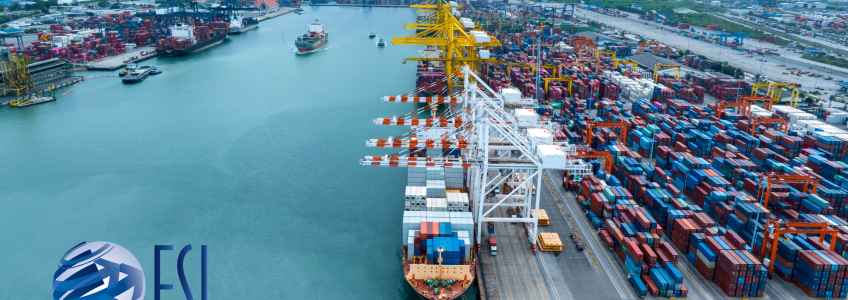
What Does It Mean to Be NVOCC Certified?
If your business relies on international shipping, you’ve probably come across the term NVOCC. So, what does it actually mean? And why does it matter?
NVOCC stands for Non-Vessel Operating Common Carrier. While the name sounds technical, the concept is simple: an NVOCC is a company that manages ocean freight transportation without owning the ships themselves.
Instead of operating vessels, an NVOCC works as a transportation partner that books cargo space with ocean carriers, coordinates international shipments, manages documentation, and helps businesses move freight efficiently across global supply chains.
For companies shipping internationally, working with an NVOCC-certified provider adds an important layer of expertise, compliance, and reliability.
What Does an NVOCC Do?
An NVOCC acts as the bridge between shippers and ocean carriers.
They consolidate shipments, negotiate freight rates, coordinate container movement, issue bills of lading, and help manage the many details involved in international ocean freight.
This includes:
- Booking cargo space with shipping lines
- Managing import and export documentation
- Coordinating customs requirements
- Handling port logistics and container movement
- Providing shipment visibility and communication
- Helping resolve delays, disruptions, or compliance issues
In short, they simplify a very complicated process.
For businesses that don’t have an in-house international shipping department, an experienced NVOCC becomes a critical logistics partner.
What Does “Certified” Mean?
Being NVOCC certified means a company meets the legal and regulatory requirements to operate as a Non-Vessel Operating Common Carrier.
In the United States, this includes registration and compliance through the Federal Maritime Commission (FMC), along with financial responsibility requirements such as bonds and licensing standards.
This certification is important because it ensures the company is operating within federal regulations and has the authority to handle international ocean freight properly.
It also demonstrates accountability.
International shipping involves major financial, operational, and compliance risks. Businesses need confidence that their logistics provider understands the rules, follows the correct procedures, and can protect shipments from unnecessary delays or costly mistakes.
Why NVOCC Certification Matters for Customers
When choosing a logistics partner, certification matters because trust matters.
Ocean freight is rarely simple. Delays at ports, customs requirements, documentation errors, and shifting international regulations can quickly create problems if shipments are not managed correctly.
An NVOCC-certified provider helps reduce that risk.
It means your logistics partner can:
- Manage ocean freight legally and professionally
- Provide accurate documentation and bills of lading
- Navigate customs and compliance requirements
- Coordinate cross-border transportation more effectively
- Offer stronger visibility and shipment control
- Help prevent avoidable delays and added costs
For customers, that translates to smoother operations, fewer surprises, and better protection for your supply chain.
NVOCC vs. Freight Forwarder
These two terms are often used together, but they are not exactly the same. A freight forwarder helps arrange transportation and coordinate shipping services across multiple modes, including air, ocean, and ground. An NVOCC focuses specifically on ocean freight and operates as a carrier to the shipper, even though they do not own the vessel.
In many cases, a logistics provider may offer both services, giving customers a more complete international shipping solution. The key difference is that an NVOCC can issue its own bill of lading and assumes greater responsibility for the cargo movement. That added responsibility is one reason certification matters so much.
Why It Matters at Freight Services Inc.
At Freight Services Inc., global logistics means more than moving containers from one port to another. It means helping customers navigate international trade with confidence. As an NVOCC-certified provider, FSI supports businesses with ocean freight coordination, cross-border expertise, customs support, documentation management, and the strategic visibility needed to keep freight moving efficiently.
Our team understands that every shipment affects production schedules, customer relationships, and business profitability. That’s why compliance, communication, and proactive problem-solving are built into every move. Because in global logistics, experience matters—but certified expertise matters even more.
Work with FSI
NVOCC certification is not just an industry label. It represents trust, compliance, and the ability to manage international ocean freight the right way. For businesses shipping globally, choosing the right logistics partner can mean the difference between smooth operations and costly disruptions.
Working with an NVOCC-certified provider helps protect your freight, your timelines, and your bottom line. And when global shipping gets complicated, having the right partner makes all the difference. Contact us today if you’re ready to take your shipping operations to the next level.
Agricultural Freight Challenges: How Smart Logistics Keep Perishables Moving
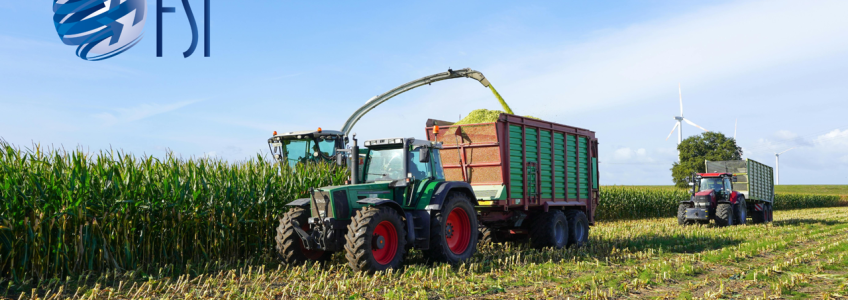
Moving agricultural products from farms to processors, distributors, and retailers sounds simple in theory. In reality, it’s one of the most complex segments of global logistics. Agricultural freight is uniquely sensitive to time, temperature, regulations, and unpredictable environmental conditions. A delay that might be inconvenient in other industries can be disastrous when transporting perishable products.
From fresh produce and animal feed to temperature-sensitive ingredients, companies operating in the agricultural supply chain face constant pressure to move goods quickly, safely, and efficiently. Even small disruptions—weather delays, port congestion, or regulatory issues—can compromise product quality and profitability.
Understanding the most common agricultural freight challenges is the first step toward overcoming them. With the right logistics strategy and an experienced logistics partner, companies can protect product integrity, reduce waste, and keep perishable shipments moving smoothly.
Time Sensitivity in the Agricultural Supply Chain
Perhaps the biggest challenge in agricultural logistics is time. Many agricultural products have extremely limited shelf lives. Fresh fruits and vegetables, dairy products, and certain grains can quickly deteriorate if shipments are delayed or mishandled.
Unlike durable goods, agricultural shipments often operate on tight harvest and delivery schedules. Produce harvested in the morning may need to be transported to a processing facility or distribution center within hours. Any disruption along the route can affect freshness and market value.
This is why efficient ag supply chain management is essential. Coordinated logistics planning ensures that transportation, storage, and delivery timelines are aligned with harvest cycles and market demand.
Smart logistics planning helps companies:
- Reduce transit times
- Coordinate shipments with harvest schedules
- Minimize delays at transfer points
- Maintain consistent product quality
When logistics providers understand the urgency of agricultural shipments, they can design transportation strategies that prioritize speed and reliability.
Temperature Control and Product Integrity
When shipping perishables, temperature management becomes a critical factor. Even small temperature fluctuations can affect freshness, shelf life, and food safety.
Agricultural products often require specific storage conditions throughout the journey, whether moving across a state or across continents. Refrigerated trucks, temperature-controlled containers, and carefully managed cold chains are essential for protecting product integrity.
The challenge is maintaining these conditions across multiple stages of transportation. A shipment might move from a farm to a packing facility, then to a cold storage warehouse, followed by transport to a port or distribution center.
Without coordinated logistics for agriculture, maintaining temperature consistency across these transitions becomes difficult.
Modern agricultural logistics strategies rely on:
- Refrigerated transportation
- Temperature monitoring technology
- Cold storage coordination
- Rapid transfer between transport stages
By implementing strong cold chain management practices, companies can significantly reduce spoilage and protect the value of their products.
Regulatory Compliance and Documentation
Agricultural shipments are subject to a wide range of regulatory requirements as well. Depending on the product and destination, shipments may need to meet food safety regulations, export documentation standards, and agricultural inspection requirements.
For companies shipping perishable agriculture products internationally, compliance becomes even more complex. Customs documentation, phytosanitary certificates, and import regulations must all be handled correctly to avoid delays.
Even minor documentation errors can result in shipments being held at ports or border crossings. When dealing with perishable goods, these delays can quickly lead to spoilage or loss of product value.
Strong ag supply chain management includes careful coordination of regulatory requirements and documentation processes. Logistics providers with experience in agricultural freight understand the specific compliance requirements that apply to different products and destinations.
This expertise helps ensure that shipments move through customs smoothly and arrive at their destination without unnecessary delays.
Seasonal Demand and Capacity Constraints
Agriculture operates on seasonal cycles, which can create significant fluctuations in freight demand. During harvest seasons, transportation networks often experience spikes in volume as large quantities of crops need to move quickly.
These seasonal surges can create capacity challenges, particularly when refrigerated equipment or specialized transportation is required. Without careful planning, companies may struggle to secure the equipment and transportation resources needed to move their products efficiently.
Managed logistics providers help companies anticipate these seasonal patterns and secure transportation capacity in advance. By planning around harvest schedules and regional production cycles, logistics teams can help agricultural businesses maintain consistent freight movement even during peak seasons.
Proactive planning ensures that transportation resources are available when demand rises, reducing the risk of costly shipping delays.
Supply Chain Visibility and Coordination
Agricultural supply chains often involve multiple stakeholders, including farmers, processors, warehouses, carriers, and distributors. Coordinating all of these moving parts requires strong communication and visibility.
Without clear oversight, shipments can become delayed at transfer points, misrouted between facilities, or held in storage longer than intended. For perishable goods, these breakdowns in coordination can have serious consequences.
Effective ag supply chain management depends on strong logistics coordination and real-time communication between all parties involved in the shipment.
Modern logistics solutions provide greater visibility into shipment status, transportation timelines, and inventory locations. This visibility allows businesses to identify potential disruptions early and take corrective action before product quality is affected.
With the right logistics partner, companies gain a clearer picture of their entire agricultural supply chain, helping them make better operational decisions and maintain smoother freight movement.
How Managed Logistics Supports Agricultural Freight
Because agricultural shipments are so time-sensitive and condition-dependent, many companies rely on managed logistics for agriculture to handle the complexity of moving perishable goods.
Managed logistics services provide a centralized approach to transportation planning, carrier coordination, and supply chain oversight. Rather than managing every shipment internally, companies can rely on logistics professionals who specialize in agricultural freight.
A managed logistics strategy can provide:
- Coordinated transportation planning
- Carrier network access
- Cold chain management support
- Regulatory compliance guidance
- Improved supply chain visibility
By centralizing these responsibilities, businesses can focus more on production and distribution while ensuring their freight operations run efficiently.
Keeping Perishable Freight Moving
Agricultural logistics will always present challenges. Time sensitivity, regulatory requirements, seasonal demand, and cold chain management all add layers of complexity to moving agricultural products.
However, with the right logistics strategy, these challenges can be effectively managed. Strong planning, reliable transportation networks, and experienced logistics coordination help ensure that perishable goods arrive safely and on time.
Freight Services Inc. works closely with agricultural producers, processors, and distributors to design logistics strategies that support the unique demands of the agricultural industry. Through coordinated planning and dependable transportation networks, businesses can maintain product quality, reduce waste, and keep their agricultural supply chains moving efficiently.
In an industry where timing and product integrity are everything, smart logistics make all the difference.
Contact us today to see how we can help streamline your ag shipments.